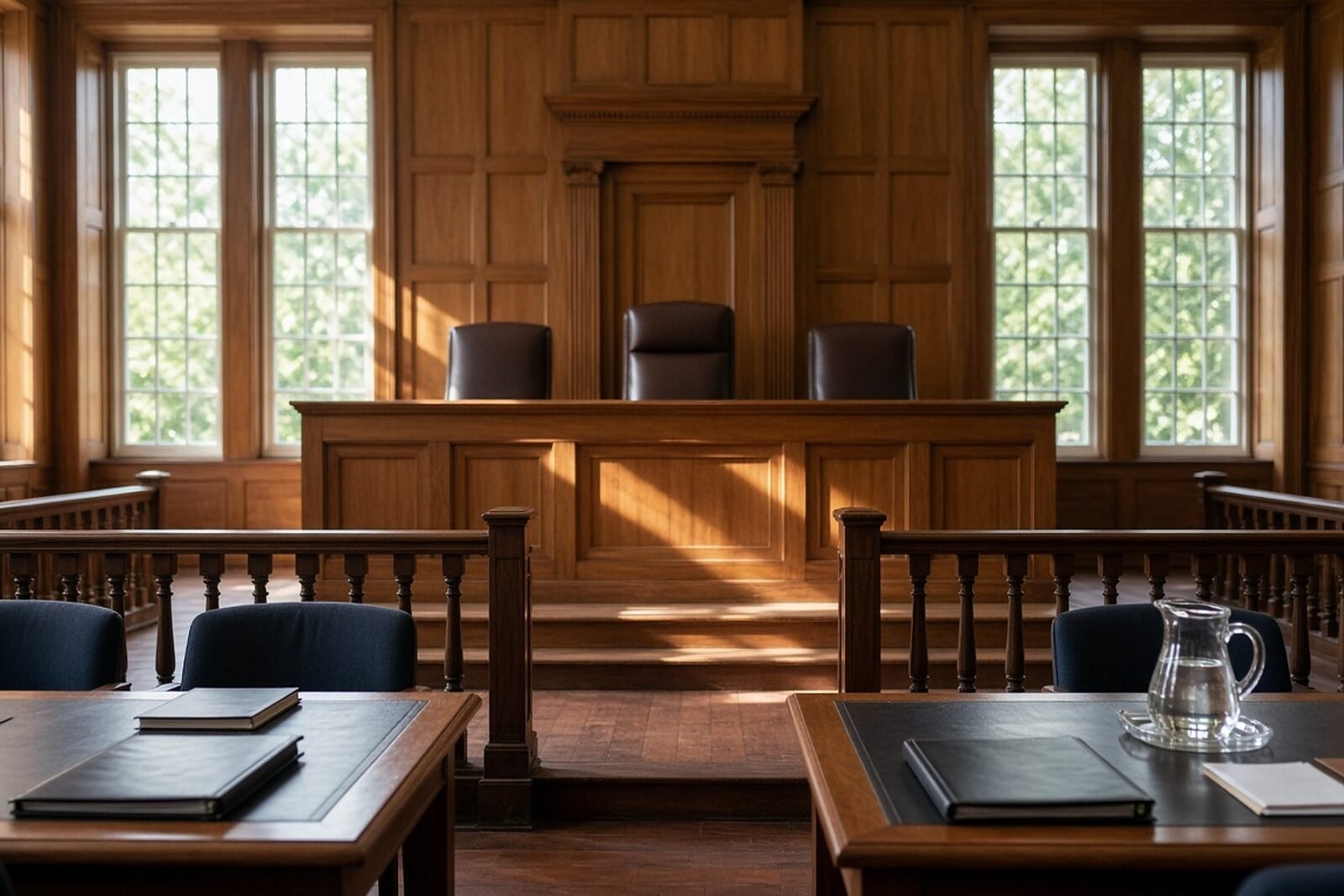
Canada’s biggest news publishers can pursue their copyright case against OpenAI in Ontario. On 13 November the Court of Appeal for Ontario dismissed OpenAI’s appeal in Toronto Star Newspapers Limited v. OpenAI, Inc., 2026 ONCA 814. It also ordered OpenAI to pay $100,000 in costs, an amount the parties had agreed.
The ruling settles where the case is heard. It says nothing about whether OpenAI infringed anyone’s copyright. That question now goes to the Ontario Superior Court.
Who is suing, and over what
The plaintiffs are Torstar, Postmedia, The Globe and Mail, The Canadian Press and CBC/Radio-Canada. They claim OpenAI scraped their sites, trained the models behind ChatGPT on their journalism and reproduced it for commercial use. They sue for copyright infringement, breach of contract and unjust enrichment (profiting unfairly at someone else’s expense).
The Canadian Press report on the ruling calls it the first Canadian case on training generative AI with copyrighted content. The claim was issued on 28 November 2024, according to the AI Law Wiki case file.
What the court decided
OpenAI’s Delaware companies argued the dispute belonged in the United States. The three judges disagreed on every ground. Their test lets a court take a case if there is a “good arguable case” for one connecting factor, such as doing business in the province.
Three findings matter for anyone selling AI products into Canada. First, no office is needed. The companies “rely heavily on the fact that they did not have a physical presence within Ontario,” paragraph 37 notes, and it did not help them. Paragraph 36 instead cites contracts, advertising and licensing in Ontario as “multiple indicia of carrying on business.”
Second, website terms count. Per paragraph 42, the lower court found “browse wrap” terms, shown on a site without a click to accept, “were enforceable against parties who scraped websites for commercial purposes.” Third, one connecting factor is enough. “Here, there are three,” paragraph 44 says.
The court also refused to send the case south. It upheld the finding that Ontario is the “more appropriate, suitable and convenient forum.”
Where the money is
Canadian law caps statutory damages, a fixed award per work instead of proven losses. Under section 38.1(1)(a) of the Copyright Act, it is “not less than $500 and not more than $20,000” per work “if the infringements are for commercial purposes.” No count of works has been published, so any total would be a guess.
The defense also changes. Canada has no US-style fair use. Section 29 says: “Fair dealing for the purpose of research, private study, education, parody or satire does not infringe copyright.” The US fight is not settled either, as the ROSS rehearing request on AI training and fair use shows.
What it does not decide
These findings use the low “good arguable case” standard, not a trial. OpenAI argued that most of the alleged infringement happened outside Canada. The lower court agreed that if the Act does not reach that conduct, it “could reduce the scope of the claims at trial,” paragraph 28 records.
Four of the same publishers also sued Anthropic this year, The Canadian Press reports. Europe is testing similar questions, as in the EU court adviser’s test for chatbot answers and publishers.
What to do this week
If you scrape websites or sell an AI product to Canadian customers, assume a Canadian court can hear a claim against you without a local office. Read the terms of use of every site you collect from, since this ruling treats them as possible contracts. The YouTube creators’ scraping suit against Runway shows the same risk in the US. Record your sources and legal basis per country now.
Sources
Get the weekly email
The week's most useful AI news, a tutorial and an interview.

Martin Scott
Martin Scott is the editor for business and policy at AI Observer, covering startups and deals, regulation, health and science, and AI agency profiles. He follows the money and the legal text, and separates what a rule says from what people claim it says. His style is analytical and plain-spoken.
Spotted a mistake? Tell us on the corrections page.